Tuesday, March 21, 2023

Time to Learn


Employees and customers learn side-by-side about gardening


Plants and other merchandise have been rolling in for the last two months. This month, receiving plants will be our top priority. Trees, shrubs, perennials, cool-weather vegetables, pansies and so much more will be unloaded every day from our own growers and other local companies that provide us with beautiful, healthy, hardy plants. As I write this, large shade trees are being unloaded from a flatbed in our parking lot.  To get ready, we are hiring new people who will go through training in all of our departments. We like to teach people about plants, so have brought back our educational seminars this year. We'd love your feedback. All classes are free unless materials are provided for our customers to create a project. This season, all classes will be on Saturdays. We may expand to Sunday classes for fall as many people have asked for that option. As always, garden clubs and civic organizations interested in using Valley View Farms for a meeting and program may contact Carrie at 410-527-0700. 


A local garden club stopped in to learn about water features


 Here is a schedule of upcoming seminars.


March 25, 9 am, Spring Lawn Clinic-John will discuss the best practices for lawn care. How to seed, fertilize, prevent, and kill weeds, soil testing, and other techniques will be the topic of today's class. 

March 25, 11 am, Planning a Summer Cutting Garden- Learn how to grow flowers in your own cutting garden. Annuals, perennials, shrubs, and bulbs, their care, and developing a plan will all be up for discussion. 

April 1, 9 am, Create a Bonsai Tree-Martha joins us from Meehan's Bonsai to guide participants in creating a Bonsai tree. Tree, soil, wire, and a bonsai pot are all included for a $40.00 fee. 

Martha Meehan presents a bonsai seminar each month (excluding May)

April 1, 11 am, Herb Gardening- Our speaker today will share secrets on how to grow herbs for culinary and ornamental uses. Learn about the many varieties of herbs that our grower provides us; over 100!

April 8, 9 am, Spring Pond Opening- Our pond experts go through the steps to get the pond up and running again. Care for filters, pumps, plants, fish, and other water features will be part of the conversation. 

April 15, 9 am, Maintaining a Beautiful Perennial Garden- Learn when to cut back, deadhead, and divide perennials for optimum bloom and growing year-round, as well as selecting the best plants for your garden. 

April 22, 9 am, Introduction to Water Gardening- Learn techniques for building a pond and maintaining it for a new level of gardening pleasure.

April 29-30, 8 am -7 pm 9th Annual Tomato Tornado-Join us for a weekend all about tomatoes. Our farm grew an extra 35 varieties of heirlooms and small-fruited tomatoes for this weekend only. Doors open at 8 am. 

May 6-7, 8 am-7 pm 2nd Annual Pepper Palooza- We grew an extra 25 varieties of peppers for this weekend's event. Many are AAS winners and are very limited in quantities. Doors open at 8 am. 

Our classes will resume in the fall. (Bonsai will continue to meet the first Saturday of the month except for May.)  Please send us any ideas you have for future seminars and classes

Saturday, March 4, 2023

Preparing for Spring


We've had a couple of nice back-to-back days this month. Bulbs are sprouting, buds are forming on trees and shrubs, and the garden seems to be ready to get going. We know that the possibility of cold weather is all but guaranteed, but here are some things we can do to get ready for spring. 


A river of hyacinths; plant in the fall for spring color

Use a journal to jot down activities or by adding a note and photo to your smartphone or tablet. It is amazing to look back over the years to see how consistent we can become with our tasks.


Make a plan for your garden now 

Take a soil sample. Test kits for pH, that measure the acidity or alkalinity of the garden’s soil, are easy to use. Kits are also available to measure nutrients like Nitrogen, Phosphorous, and Potassium present in the soil. Gardeners can also send samples to labs and receive advice on adjustments to make in the garden. Companies like Bartlett Tee Experts have labs that will provide this service.


DIY Soil Test Kits 

Check sheds and tools to make sure they are clean, in tip-top shape, organized, and ready for action. Take a large 5-gallon bucket, and fill it with sand and a little oil. Use construction sand for extra abrasiveness and mineral oil. Fill it about halfway with sand, add a cup of oil, and stir with a hoe or cultivator. Fill the bucket and repeat the procedure. Plunge shovels and other tools through the mix, and up again several times.

Sharpen pruners and loppers or take them to be sharpened at your local hardware store. I had a very nice Ace Hardware associate sell me tool sharpeners and explain how to use them.  

Add tools to your collection for spring clean-up


Once out in the garden, be careful to not work the soil when it is too wet. Doing so will compact the soil reducing much-needed air space for roots and the plant's growth. Once the soil is friable, add organic matter like compost of Leafgro, a product made from recycled yard waste by Maryland Environmental Services. 

Feed trees and shrubs this month with slow-release organics

Remove larger leaves and sticks from the garden and lawn. Shred what you can with a lawn mower and put it back into the garden or into the compost pile. 

What can be planted when? Trees and shrubs can start to go in as early as March. Some vegetables, like peas, broccoli, and onions, can be started soon as well. Perennial plants like winter-blooming hellebores can handle some of the colder temperatures, as can pansies and violas. For annual flowers like geraniums and marigolds, I suggest waiting until all danger of frost has passed, usually by Mother's Day. That's the best time to plant tomatoes and peppers too. 


Plant pansies; a little snow won't bother them

Get ahead of the weeds, by pulling them now and adding Preen Weed Preventer to the soil. Preen will discourage weeds for months. 

I like to use landscape fabric for weed control under pavers and mulched areas without plants. Even if weeds sprout in the mulch, they are easily dislodged. 

Spring pruning can be beneficial for some trees and shrubs. Prune any dead or diseased branches as needed, including the one that keeps bonking you in the head when you're mowing. Use sharp tools for cuts and do not cover the cuts with pruning paint. Trees develop better left to heal naturally.

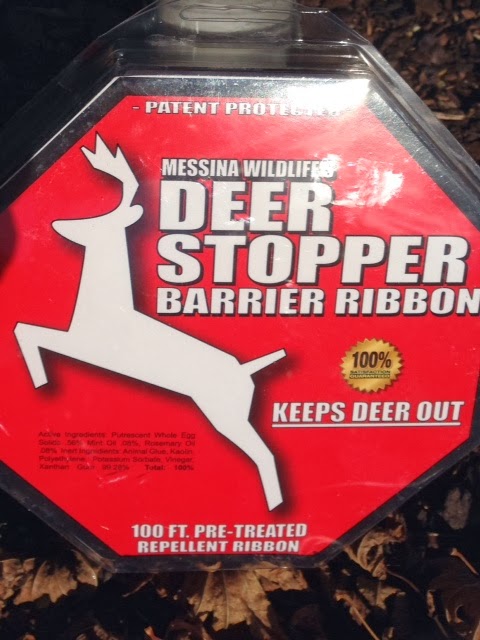
Got deer? Several products are available to use as deterrents

Check the yard and see where a new garden or tree should go. Walk around our nursery for ideas for planting. Our signs will tell you the best places to plant for sun and shade recommendations and which plants may be deer resistant. Check our website and click on Plant Finder for a searchable database about trees, shrubs, and perennials. 

And start getting ready to seed and feed your lawn. Spring is a great time to renew our lawn. Add organics like compost, add lime, rake in, spread seed, and fertilize. 


My lawn renovation several years ago produced good results. 

I can't say I'm anywhere near ready myself, but c'mon spring!

Monday, December 12, 2022

Grow Your Own Christmas Greens; A Plan for My Home Landscape

Soft needled cedar

Wreath-making in progress

Many moons ago, I attended a Christmas Eve service at Calvary Baptist Church in Towson with my in-laws. The preceding week, my father-in-law' Max' had assisted in the church decorating, harvesting many of the evergreens used at the ends of church aisles from his yard. Years later, when given the chance to plant trees at my new home, thoughts of Max and his wife Elouise's yard gave me inspiration. 

My yard is relatively small and bordered on the north side by tall, graceful hemlocks.

Canadian Hemlocks 

Their dark green needles and tiny cones were fun to use in decorating. Years before, a cryptomeria grew in the backyard of my previous home, so that was first on my list as I loved the ends of these gently weeping branches for wreaths and greens decorations. 

Cryptomeria in my backyard has grown much larger since this photo was taken

Holly made the list as well; an evergreen that berried year after year. The deciduous holly, winterberry, was also added.

Longwood uses winterberry in its Christmas displays too. 

For both of these, a male version was needed to propagate for berries.  The front of the house, already in deep shade, was planted with Osmanthus, a natural addition for decorations. 

Osmanthus Goshiki stays compact, loves the shade, and is deer resistant

A few other trees were added along the opposite side of the yard from the hemlocks. Weeping Norway Spruce, a second Cryptomeria, Arizona cypress, Deodar cedar, and a non-evergreen Larch completed the side.

I love the size and texture of this Deodar Cedar

To say that it was overplanted is an understatement.

 The Arizona cypress had to be removed after a few years, and a crew from Bartlett Tree Experts prunes the row of trees every other year to keep it in line. Luckily, my neighbor liked the look from his vantage point. My once sunny backyard is now shady most of the day. The birds and other wildlife liked the shelter from the weather and predators as well. 


Here's the best part; friends and family gather every December and make wreaths and greens for holiday decorating. Most of the greens are growing right in the backyard, and my guests bring things from their own gardens to add. Jan brings juniper and huge pine branches, Mary donates holly, and the rest of what we need is available in our greens area at Valley View Farms, which always reminds me to plant a dwarf southern magnolia next year.  Billy had a row of pines along his large property and gifted us bags of pinecones. We have a great time and mentor one another on the best way to make and display our creations. 


The Fern sisters (my family) enjoyed our wreath-making

Friends, and family (3 of my nieces in the front)

A great project for work friends too!

This spring, when deciding what to plant in your yard, think of some of these trees and shrubs to add to your landscape.  Make decorations from nature for your next holiday season. 

Merry Christmas and Happy Holidays to all.

For more information about trees and shrubs for your landscape, visit our website at Valley View Farms and click on the Plant Finder tab. 


Friday, October 28, 2022

Tom Tasselmyer and Family at Valley View Farms for the Pumpkin Seed Contest

 On October 29th, Tom Tasselmyer, with his wife Laurie, will be here to cut open this year's giant pumpkin, Miss Amelia, and count the seeds. She weighs in at 2005 lbs, not our biggest, but one of two we've had weighing over one ton. While this tradition began with Norm Lewis back in the '80s, Tom has been doing the counting for decades since. I've collected a few photos over the years to share here. These are not in any order, but you can see the subtle changes over the years as Tom's boys get older, and the pumpkins get larger.

Norm Lewis oversees as Alan cuts the pumpkin


The Tasselmayer Family a few years ago


Tom and Bill

The Tasselmyer Boys (-1)


Taking the pumpkin a section at a time

The family is here to help

Concentration is key to getting the count correct

The seeds are grouped together in containers, then added up to get the final count

The VVF guys lend a helping hand to scout for seeds that may have been missed

Gloves are optional to sift through the goo

We look forward to seeing these two every year

The Sawzall is the tool that opens up the pumpkin

The Tasselmyers are experts

Pumpkin goo anyone?

Contemplation


Tim adds more seeds from the pumpkin

Thank you, Tasselmyer family!

The big question is how many seeds are in Miss Amelia? We will find out when the seeds are counted on Saturday. In the meantime, get your guesses in our book. 1st prize is a $300 Valley View Farms Gift Card, 2nd is a $200 card, and 3rd is a $100  card. Your guess needs to be in the book at the time of the counting. Winners will be notified with a phone call. Your name and phone number will not be used by Valley View Farms for any marketing or tracking information. 

Miss Amelia, the 13-year-old that our pumpkin is named after

Amelia will get all the seeds from her pumpkin sent back to her so she can grow another behemoth pumpkin next year. 

Pumpkin seeds are sent back to the grower

The rest of the big pumpkins (minus the seeds) will be donated to Whispering Rise Farm and Animal Sanctuary, a home for rescued Potbelly Pigs. The pigs love the pumpkins.  


It may take a few trips to get the pumpkins to the pig farm


We hope to see you Saturday! 


Friday, September 30, 2022

Checklist for Fall Gardeners


 The weather is changing, bringing with it cooler air temperatures, and steadier rainfall (despite Ian's arrival). Some of our gardens may be tired after summer's weather and our own vacations. We're all back- to school, home, and community. Now is a great time to get back to the garden.

Here is a checklist/to-do list for the autumn garden:

Plant mums, pansies, and other cool weather annuals and perennials for fall color. Rejuvenate pots, window boxes, and hanging baskets with vibrant, colorful celosia, calibrachoa, petunias, and ornamental cabbage and kale. 

Mums available in many sizes and colors

Renovate, fertilize and reseed the lawn. The cooler air coupled with still-warm soil temperatures makes fall the perfect time to overseed and feed the lawn. We recommend a soil test every 2 years to check on soil pH that will advise whether or not the lawn needs lime. 


The lawn provides a foreground to plant borders

Maintain the perennial garden. Cut back browning foliage. Leave green growth. Divide larger perennials as needed. Check for insects and diseases, removing affected plants. Plant now for fall color---Asters, Anemones, Solidago, and other plants that provide food and shelter for migratory birds and butterflies.

Anemones provide fall color and movement in the garden


A mixed border provides autumn color

 Plant trees and shrubs. Again, warm soils and cool air temperatures allow roots to take off, providing a plant less stressed by next summer's droughts. Look for attractive fruit and foliage, including Iteas, Dogwoods, Winterberry Holly, Oakleaf Hydrangeas, and some of the beautiful maples we love.

Hydrangeas anchor this colorful mixed garden

Plant spring flowering bulbs. Purchase them early to get the best selection; wait to plant until late October or November. Many bulbs, like daffodils, hyacinths, and alliums are deer resistant. Plant all bulbs to a depth of 3-4 times the diameter of the bulb for best results. Use Bobbex as a bulb dip for animal favorites like tulips.

Tulips planted en masse

Dig up summer bulbs and tubers. Store them in a frost-free area until spring planting time. Dahlias, Cannas, and tuberous Begonias are among the bulbs that should be over-wintered inside. 

Summer Dahlias blooming in late September

Protect houseplants. Summer vacation has been wonderful for our tropical plants outside on our decks and patios. Clean them with a soft cloth and/or provide a shower to avoid bringing any pests inside. Treat with Horticultural Oil and/or Soap. Wait until spring to repot into larger containers as the plants are shutting down and probably won't grow much from November to March. 


Houseplants return indoors after their summer 'vacation'


Winterize your pond. Remove tropical lilies and plants to overwinter inside. Shut down pumps. Provide a heater to keep the pond from totally freezing over. Stop in our Water Garden Department for more information. 

Nick and Ava get a frog's eye view of the pond

Tidy up...but not too much. Our beneficial insects, birds, frogs, and other wildlife need places to shelter and hide from predators. Shred leaves to add to the garden. Shut off outdoor hoses and faucets. Clean, sharpen, and oil garden tools. Repair hoses.  

Pat tidying up the butterfly garden

Take some photos as a journaling tool to help plan next year's garden. Write down the challenges and successes of the past year. 

Salvias, annual or perennial, attract hummingbirds